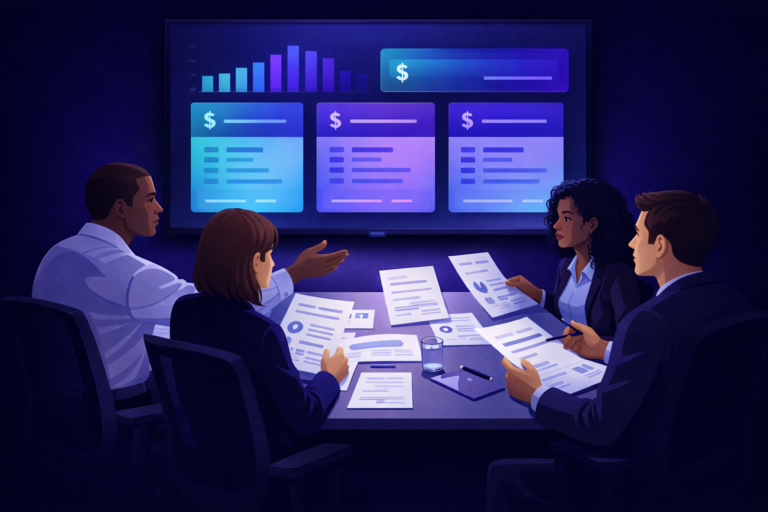
Artificial intelligence is reshaping recruiting and HR faster than ever. Recent industry studies show rapid adoption – for example, 43% of organizations now use AI for HR tasks (up from 26% in 2024).
Recruiting leads the way: over half of companies use AI for hiring activities. Common applications include auto-generating job descriptions and screening resumes. In fact, 66% of firms use AI to write job posts, 44% use it to scan resumes, and 32% use it to search talent pools.
The payoff is real: 89% of HR leaders say AI saves time or boosts efficiency, and many report cost savings and better candidate selection. By automating routine work (writing postings, triaging applicants, scheduling interviews), AI frees recruiters to focus on high-value, human-centric tasks.
- Automating recruiting tasks: Modern recruiting platforms have built-in AI that parses resumes into searchable fields, matches candidates by skills and experience, and even crafts personalized outreach. For example, AI-powered ATSs can scour their applicant pools 24/7 to surface hidden talent, scoring each candidate for fit. Many systems now use natural language understanding to go beyond keyword searches. Instead of manual Boolean strings, recruiters can ask AI for candidates with certain skill sets or background and get instant matches.
- AI-powered sourcing: Beyond parsing resumes, AI sourcing agents use machine learning to continuously scan both active applicants and external talent pools. These tools learn what success looks like – analyzing past hires and campaign data – then find similar profiles automatically. This “always-on” sourcing discovers passive candidates and diversifies pipelines. AI engines can automatically notify recruiters about good matches from talent databases or social networks. In practice, these tools deliver better-qualified candidates faster.
- Intelligent outreach: Once talent is identified, AI helps reach out efficiently. For example, HR chatbots and CRMs can send scheduled emails, SMS or even WhatsApp messages, reminding candidates about incomplete applications or upcoming interviews. AI can personalize each message at scale – varying tone, content and timing based on a candidate’s profile or actions. Tools like Sense’s Talent Engagement platform integrate with an ATS (e.g. iCIMS) to automate SMS campaigns and chat conversations. Sense reports it can fill key roles “up to 55% faster” by using AI matching and automated messaging. Similarly, automated nurturing features (campaign templates, drip emails, re-engagement sequences) help keep talent pools active without manual effort.
Generative AI for Content and Interviews
Generative AI (like large language models) is unlocking new HR capabilities. Recruiters are increasingly using ChatGPT-style tools to brainstorm and draft content. For instance, HR teams use AI to generate first-pass job descriptions, personalized candidate emails, and candidate help text. iCIMS’ own “Copilot” feature will suggest ideas to beat writer’s block and write candidate communications faster. This speeds up recruiting marketing and ensures consistency with employer brand. Because generative AI understands context, it can adapt the tone or keywords for different roles and locations.
AI is also moving into interviewing and assessments. Some platforms can now conduct AI-powered interviews 24/7. For example, CodeSignal’s new “AI Interviewer for Sales” simulates real sales conversations and scores candidates on skills like persuasion and coachability. Candidates can take these interviews anytime, eliminating scheduling conflicts. Other generative tools automate interview logistics: they coordinate calendars by analyzing everyone’s availability, instantly scheduling sessions without email ping-pong. During interviews, AI can even take notes. Tools using speech recognition transcribe video calls in real time, highlighting key points and removing human bias in note-taking. Afterward, AI can auto-fill candidate profiles from those transcripts and update the ATS fields for you. Finally, AI chat engines can draft personalized follow-up emails to hiring managers or candidates, wrapping up interviews without delay.
In short, generative AI is shifting work from creating content to curating it. Recruiters still guide strategy and make the final hires, but AI does much of the writing, scheduling and data entry. This means HR teams save hours on crafting job ads or interview summaries, and can reallocate that time to deeper activities like candidate engagement and cultural fit interviews.
Conversational AI & Candidate Engagement
Keeping candidates engaged is vital, and conversational AI plays a big role. Smart chatbots and virtual assistants on career sites or in apps provide 24/7 candidate support. These bots answer FAQs about company culture, job requirements, or application status instantly. They can even collect application data by asking pre-screening questions in natural language, returning structured responses to your ATS. For example, Sense’s conversational chatbot can talk with candidates, share relevant jobs, and gather application details – all without a recruiter typing a word. This human-like interaction makes candidates feel heard and informed, boosting satisfaction.
Text messaging is another hot channel. AI-driven SMS and WhatsApp outreach has become standard. HR platforms now automate two-way texting: sending reminders about upcoming interviews or fast-tracking high-fit candidates to schedule. According to a recent release by Sense, recruiters can “reach candidates faster with automated SMS and WhatsApp messaging”. These bots handle replies too (e.g. candidate confirms or reschedules via text, which is recorded in the system). The result: far fewer “ghosted” interviews and a much quicker turnaround on filling roles.
In essence, AI keeps talent engaged around the clock. While you sleep, AI bots are answering candidate questions and nudging them forward. When recruiters return to work, most of the routine Q&A and scheduling have already been handled. This smooth, always-on engagement can dramatically improve candidate experience and time-to-hire.
Skills Intelligence & Internal Mobility
Another frontier is talent intelligence – using AI to map and leverage skills. Progressive companies are building skills-based talent networks. Intelligent systems catalog every employee’s skills (from their profile, performance data or learning history) and match them to roles, projects or mentorships. These internal talent marketplaces help keep top performers engaged by showing them growth paths. For example, new “internal mobility” platforms connect employees to new roles or stretch assignments based on their skills and interests. It’s like an internal LinkedIn: the AI recommends that a software engineer might be a great fit for an upcoming DevOps project, or a marketing analyst could try a rotational assignment. This boosts retention, upskills the workforce, and promotes diversity by giving all employees equal visibility to opportunities.
AI also enables data-driven skills planning. Tools now analyze labor market data and workforce profiles to forecast needed skills. For instance, Microsoft’s new Skills in Viva leverages LinkedIn’s massive skills database with AI to show where skills gaps exist internally. If you plan a major digital initiative, AI can flag which teams lack certain tech skills. HR can then target training or hire proactively. Similarly, AI-driven analytics can predict which roles will be hard to fill or when key people might leave, allowing leaders to intervene early. (In fact, one report notes that machine learning models can already predict if someone’s likely to quit.)
By combining AI-driven skills inventories with career pathing, organizations become more skills-based and agile. They move away from fixed job descriptions to flexible talent pools. The trend is clear: “many experts…are investing time and resources in building out skills libraries/taxonomies with the aim of becoming skills-based organizations”. Smart AI tools accelerate this transformation, turning raw HR data into actionable talent strategies.
HR Operations and Experience Platforms
AI isn’t limited to recruiting. It’s also transforming broader HR operations and employee experience. One emerging idea is the AI HR assistant: an autonomous agent that can handle service requests end-to-end. For example, the startup ai.work introduced an “AI HR Ops Worker” that connects to HRIS, email, and chat channels to pick up tasks – from processing a PTO request to updating an employee file – without human intervention. Think of it like a digital HR teammate: if an employee submits a benefit question, the AI can gather the data, update systems, and even send a follow-up notification. This drastically cuts admin backlog and lets HR focus on strategy.
New employee experience platforms are also AI-enhanced. These all-in-one portals bring HR, IT and other services into one app. They often include chatbots or virtual agents that “nudge” employees about tasks (complete on-boarding steps, sign policy updates, etc.). For example, a unified HR portal might automatically remind a new hire about their first-day paperwork via chatbot. According to analyst Josh Bersin, these next-gen experience platforms are on the rise, providing mobile-friendly one-stop access to company resources. Under the hood, AI personalizes the experience – surfacing relevant news or learning content based on role and career goals.
Security and compliance are AI’s next challenge. With growing data breaches, some firms are exploring AI to protect HR data or verify credentials via blockchain. While not mainstream yet, these are on the radar. Meanwhile, AI can help with background checks (by flagging inconsistencies) and payroll automation for global teams. The key is that even admin areas of HR are getting smarter, blending human oversight with algorithmic speed.
Integrating AI with Your ATS
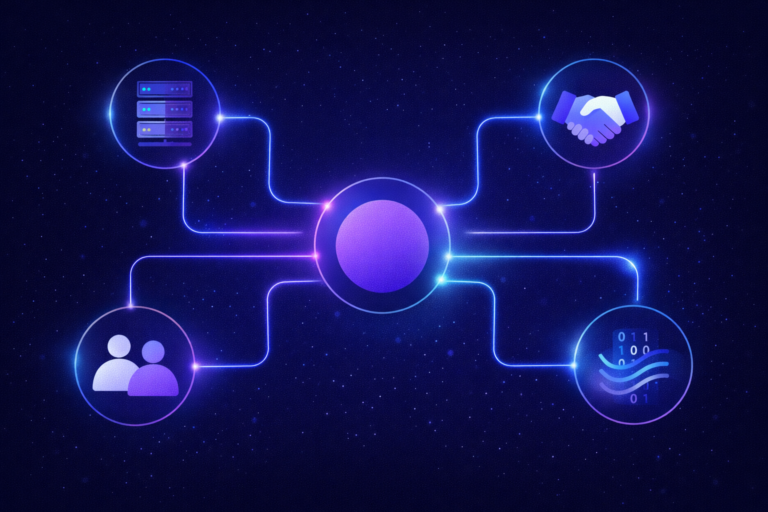
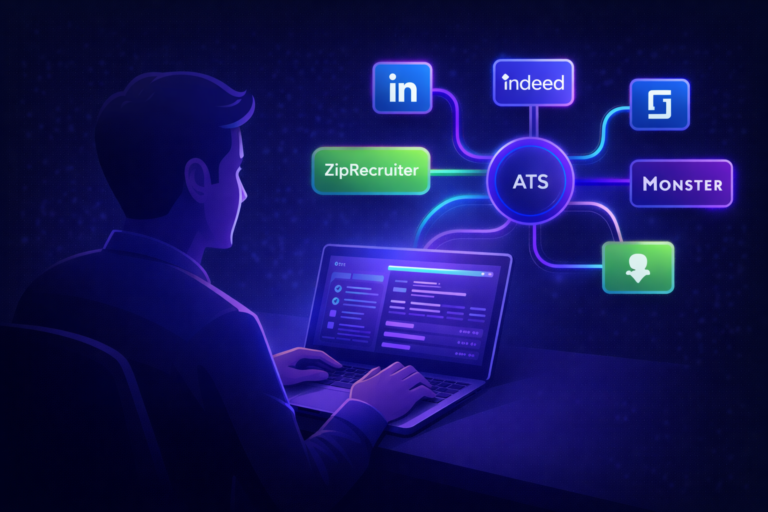
All these AI innovations need to fit into your HR tech stack. A modern ATS or HCM should integrate seamlessly with AI tools. Many vendors now offer built-in AI or easy plug-ins. For instance, iCIMS (a leading ATS) has introduced an AI Sourcing Agent that “delivers better-qualified candidates faster” by analyzing job criteria and applicant data. It also embeds AI features directly into workflows, so recruiters see recommendations and automation within their familiar interface. And iCIMS’ recent enhancements include an AI “Copilot” in its Candidate Experience module, which helps recruiters draft outreach emails in seconds.
Beyond native features, dozens of AI vendors offer integrations and partnerships. The iCIMS Marketplace, for example, now includes partners like Sense (for conversational engagement), CodeSignal (for skills assessment), and many others. Sense’s talent engagement platform plugs into iCIMS to automate candidate texting and screening. CodeSignal connects assessment results back into the ATS profile. Other AI recruiting tools (like Paradox’s virtual assistant, Eightfold’s talent intelligence, or Phenom’s experience platform) use APIs or connectors to sync candidate data and workflows. Integration platforms (iPaaS) also make it easier to connect AI services – our own firm, FlowFam, helps companies tie AI-powered automation into iCIMS and monday.com workflows.
When choosing AI tools, ensure they “play nice” with your systems. Look for secure, standard integrations (many solutions offer out-of-the-box connectors), or use API-based middleware. The goal is that data flows smoothly: job requirements and applications in the ATS feed the AI engines, and the AI outputs (scores, chat transcripts, interview summaries) flow right back into recruiter dashboards. This tight integration is crucial for keeping everything human-centered and efficient.
Balancing AI with Human Insight
As AI takes on more tasks, maintaining the human element is paramount. All experts stress that AI should be an enabler, not a replacement, in hiring. Tools can surface qualified candidates, but humans must assess culture fit and soft skills. A recent SHRM report emphasizes this balance: about three-quarters of HR professionals agree that AI advancements will actually heighten the value of human judgment in the next five years. In practice, AI means recruiters can spend less time on data entry and more on meaningful conversations with candidates.
HR teams will also need new skills. Recruiters may need training in data literacy, AI prompt-crafting, and ethical governance. As one source notes, AI will “heighten the value of human judgment” and shift HR roles toward interpreting data and guiding AI use. In other words, the future recruiter is part technologist. Organizations should invest in upskilling so that people can understand AI outputs and make nuanced decisions.
Finally, ethical and fair use of AI is critical. Choose transparent, explainable AI and monitor for bias. For example, iCIMS holds a “Responsible AI” certification to ensure its algorithms meet fairness standards. Always review AI recommendations – never accept them blindly. Maintain clear human oversight and include diverse stakeholders in AI design. This “AI + human intelligence” approach will yield the best recruiting outcomes.
In summary: AI is unlocking amazing new possibilities in talent technology. From smarter sourcing and screening to 24/7 candidate engagement and generative tools for content, these innovations can accelerate hiring and improve quality. But the key to success is integration and human focus. By embedding AI thoughtfully into ATS platforms and workflows, HR teams can work with machines – not like them – to build better talent processes.
For HR professionals looking to harness these tools, remember: start small, pilot the most promising solutions, and build around your people. As AI takes over admin work, your recruiters will have more time for the human side of hiring.
Ready to make your talent processes smarter? FlowFam’s team specializes in optimizing iCIMS and other HR systems with AI-driven automation. We help talent teams turn their ATS into an automated, insight-driven recruiting engine. Learn how FlowFam can help you integrate emerging AI tech into your recruiting stack at flowfam.co.