HR System Documentation: The Missing Layer in Most HR Tech Environments
Your HR tech stack may be running. But is it governed? The gap between functional and managed is where operational risk hides.
Technology Without Governance Is Just Expensive Infrastructure
HR teams invest heavily in technology. ATS platforms, HRIS systems, payroll integrations, background check vendors, onboarding tools, and reporting dashboards. The average HR tech stack includes six to ten interconnected systems, each touching sensitive employee data and each requiring its own configuration, maintenance, and oversight.
Yet one critical layer is consistently absent: structured documentation. Without it, systems function but lack governance. They run, but nobody can fully explain how they connect, who owns what, or what happens when something changes. The result is hidden operational risk that only surfaces during a crisis, an audit, or an unexpected departure.
HR professionals prioritize immediate demands. Hiring, onboarding, employee relations, compliance support, and leadership requests all take precedence. System governance feels secondary. Over time, that produces incomplete spreadsheets, outdated Google Docs, scattered file folders, and critical knowledge confined to individual administrators.
This creates dangerous dependency on specific people rather than documented processes. And the statistics reinforce how common this problem really is. According to Gartner research, HR teams may spend up to 20% of their time correcting errors, reconciling systems, and managing workarounds instead of delivering strategic value. An organization with 30,000 employees can expect to lose $72 million annually in productivity due to knowledge loss alone.
Five Risks That Emerge Without HR System Governance
When documentation is absent or fragmented, these risks compound silently until they become urgent problems.
Tribal Knowledge Risk
One person understands how workflows are configured, which integrations carry dependencies, and why certain fields behave the way they do. When that person leaves, the knowledge walks out the door.
Integration Failures
Data flows between your ATS, HRIS, payroll, and reporting tools remain invisible until something breaks. Without a documented integration map, every vendor update is a gamble.
Reactive Fire Drills
Without documented change impact analysis, every system modification triggers scrambling across teams. A change in one platform cascades into unexpected behavior in another, and nobody can predict it.
Audit Stress
Compliance requirements demand that organizations retain records, demonstrate controls, and provide audit trails. When documentation is scrambled under pressure, what should be routine becomes a full-scale emergency.
Executive Friction
Leadership needs clear answers about your tech roadmap, reporting capabilities, and investment returns. Without documentation, you cannot provide a coherent narrative about where your systems are headed or why.
Running vs. Governed: What the Difference Looks Like
Most HR teams fall somewhere between these two states. The goal is not perfection overnight; it is directional movement toward governance.
Just Running
- System knowledge lives in one person’s head
- Integration logic is undocumented
- Changes happen without impact analysis
- Audit requests trigger panic
- No roadmap for system improvements
- Support requests arrive through random channels
- Vendor updates feel like guesswork
Properly Governed
- System ownership is documented and transferable
- Integration maps show every data flow
- Change logs track decisions and impacts
- Audits are routine, not emergencies
- A strategic roadmap aligns with business goals
- Structured intake captures and prioritizes requests
- Vendor changes are assessed against documented dependencies
Five Layers of HR System Documentation
True governance requires more than a document repository. It requires a framework where each layer serves a distinct purpose and connects to the others. At FlowFam, we build these governance frameworks inside monday.com, using the platform’s flexibility to create interconnected boards, automations, and dashboards that bring each layer to life. This is the structure behind the FlowFam Systems Hub, designed to move HR teams from reactive administration to proactive governance.
Main System Record
Centralized HR system inventoryThis is the foundation. A centralized inventory of every system in your HR tech stack, documenting not just what exists but who owns it, how critical it is, and what data it touches. Inside monday.com, this becomes a living board where each system is an item with columns for ownership, criticality, data sensitivity, and supported workflows. It answers the question every organization should be able to answer immediately: “Who owns this system and why does it exist?”
Integrations and Connectors
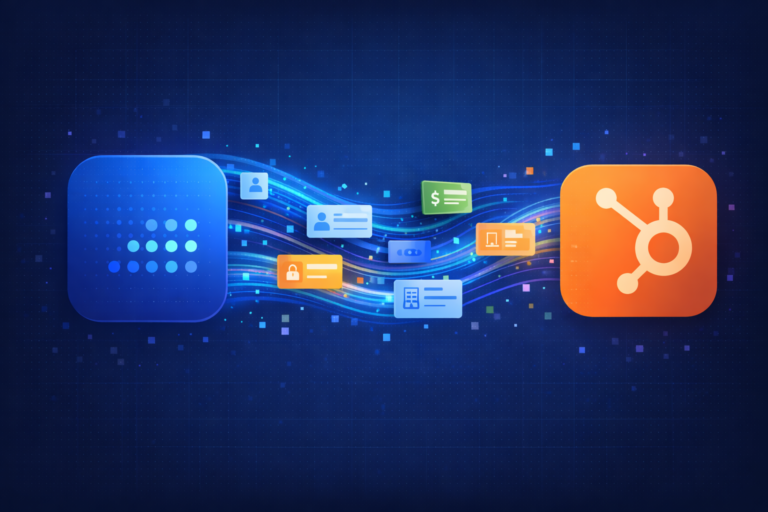
HR tech ecosystem mappingHR systems rarely operate in isolation. Data flows between your ATS, HRIS, payroll, benefits, and reporting platforms constantly. This layer maps every connection, documenting the direction of data flow, trigger points, field dependencies, and risk classification. Using monday.com’s connected boards, each integration links back to the systems it touches, so a vendor update in one area automatically surfaces the downstream dependencies. It reduces the fragility that surfaces during vendor updates or system migrations.
Change Log
Formal change management recordEvery change to your HR systems should be recorded. Not because it is bureaucratic, but because it creates institutional memory. A formal change log documents what changed, why it changed, who approved it, when it was deployed, and which systems were affected. In monday.com, automations can trigger change log entries when items are updated, notify stakeholders, and link changes to affected integrations. This is what transforms audit preparation from a fire drill into a routine exercise.
System Roadmap
Strategic planning and prioritizationThis is the layer that shifts HR from reactive administration to proactive leadership. A system roadmap enables you to plan enhancements, prioritize improvements, align system changes with business objectives, and communicate clearly with executives. It gives leadership the visibility they need to support investment and make informed decisions about HR technology.
User Ticketing System
Structured intake and issue trackingScattered Slack messages, email threads, and hallway conversations are not a support system. A structured ticketing layer replaces chaotic intake with standardized submission processes, clear prioritization, workload visibility, and trend reporting. monday.com forms serve as the intake layer, automatically routing requests to the right board, assigning owners, and feeding dashboard analytics. Over time, this layer reveals recurring issues, training gaps, and design weaknesses that would otherwise remain invisible.
What Happens When All Five Layers Work Together
No single layer solves governance. It is the connection between them that creates operational clarity. When your system record informs your integration map, your change log feeds your roadmap, and your ticketing data reveals where to invest next, you have a governance framework, not just documentation.
An important note: Documentation provides structure, not shortcuts. The framework must reflect your team structure, your tools, your integrations, your workflows, your reporting expectations, and your growth plans. Governance is designed, not automatic. Copying a template without adapting it to your environment creates the illusion of governance without the substance.
Why We Build HR System Documentation Inside monday.com
Governance frameworks only work when people actually use them. That is why we build HR system documentation inside monday.com rather than in static documents, wikis, or standalone tools that go stale within weeks. monday.com provides the structure, automation, and visibility that turn documentation from a one-time project into a living, operational system.
Connected Boards as Layers
Each documentation layer lives in its own board, but monday.com’s connected boards link them together. Your system record connects to your integrations map, which connects to your change log. Updates in one place reflect everywhere.
Automations That Enforce Governance
When a change is logged, automations can notify the system owner, flag affected integrations, update the roadmap timeline, and create follow-up items. Governance happens automatically, not through manual discipline.
Dashboards for Executive Visibility
monday.com dashboards pull real-time data from across your documentation layers into a single view. Leadership sees system health, open tickets, roadmap progress, and recent changes without requesting a report.
Forms for Structured Intake
monday.com forms replace scattered Slack messages and emails with a standardized submission process. Every support request, change request, and system issue enters the same pipeline with built-in prioritization and routing.
Built-In Audit Trail
Every action in monday.com is logged. Who changed what, when, and why. This creates the audit readiness that compliance teams need without requiring your HR team to maintain a separate paper trail.
Accessible to the Whole Team
Unlike documentation buried in a shared drive, monday.com puts system governance where your team already works. No separate logins, no forgotten wikis, no PDFs that nobody opens. The documentation lives alongside the daily operations it supports.
Why this matters: Static documentation degrades the moment it is finished. Building inside monday.com means the framework evolves with your systems, stays current through automations, and provides real-time visibility rather than a snapshot that was accurate three months ago.
Is Your HR Tech Stack Governed or Just Running?
Consider this scenario: your primary system owner departs tomorrow. Not in three months with a transition plan. Tomorrow. Could your team confidently answer these questions?
The Departure Test
If the answer to any of these is “no” or “maybe,” you have a governance gap, not just a documentation deficiency.
- Does your team understand all system dependencies and how data flows between platforms?
- Could IT receive a clear, documented explanation of your integration logic?
- Could leadership review a roadmap of upcoming system improvements and investments?
- Would you pass a compliance audit without scrambling for documentation?
- Can you tell a new hire exactly how your HR systems connect and why each decision was made?
HR System Governance Readiness Checklist
Use this checklist to assess where your organization stands. Check off what you already have in place.
- We have a centralized inventory of every HR system in our tech stack
- Each system has a documented owner and defined stakeholders
- Criticality levels and data sensitivity are classified for each system
- Integration pathways between systems are mapped with data flow direction
- Field dependencies and trigger points are documented per integration
- We maintain a formal change log with approval authority and deployment dates
- Change impact analysis is conducted before system modifications
- A strategic system roadmap exists and aligns with business objectives
- Leadership can access a clear view of HR tech direction and investment
- System support requests flow through a structured ticketing process
- We track recurring issues and identify root causes from support trends
- Our documentation would survive a key team member’s departure
Frequently Asked Questions
Ready to Move from Running to Governed?
FlowFam builds HR system documentation frameworks inside monday.com that create real governance, not just more files. Let’s talk about where your tech stack stands today and what a governed environment looks like for your team.
Book a Discovery Call