Best-of-Breed vs. All-in-One: Why TA Teams Thrive with iCIMS Over Unified HR Suites
Introduction
Talent acquisition leaders today face a dilemma when choosing recruiting technology: go with a “do-it-all” HR suite (like Workday, SAP SuccessFactors, or Oracle HCM) or select a specialized talent acquisition platform such as iCIMS. At first glance, a single integrated system for all HR functions sounds convenient. However, recruiting is a unique challenge – fast-paced, candidate-centric, and constantly evolving – and many TA teams find that best-of-breed platforms outperform one-size-fits-all systems in this arena.
This article takes an in-depth look at why a dedicated solution like iCIMS often outshines the big all-in-one HR systems when it comes to talent acquisition. We’ll explore real-world examples, core differentiators like flexibility, integrations, and user experience, and weigh the benefits and drawbacks of unified suites versus specialized recruiting software. The goal is to provide an educational, candid perspective for TA leaders evaluating their tech stack (minus the sales fluff).
The All-in-One Promise vs. Recruiting Reality
Major HCM suites promise an end-to-end platform covering every HR process, including recruiting. In theory, this means one vendor, one database, and a seamless flow of data from hiring to onboarding to payroll. For talent acquisition teams, however, the reality can be more complicated:
- Trade-offs in Depth and Focus: All-in-one systems devote their development across many HR areas – core HR, benefits, performance, etc. Recruiting may be just one module among dozens. By contrast, iCIMS and other best-of-breed ATS platforms focus 100% on talent acquisition, which tends to yield deeper functionality in that domain. An HCM suite’s recruiting module might handle basic applicant tracking, but it often lacks the rich features and updates that a specialized recruiting system provides.
- The Augmentation Pattern: It’s telling that many companies using suite-based recruiting end up augmenting with third-party tools anyway. In fact, industry research in 2024 found nearly 74% of Workday Recruiting customers had to add external recruiting tools to fill gaps in capabilities. So even with a “one-stop” solution, TA teams frequently bolt on chatbots, sourcing tools, CRMs, or point solutions – defeating the supposed simplicity of an all-in-one. It’s not uncommon to see a Workday or SAP user also implement a separate recruiting CRM, a scheduling app, and more because the built-in tools aren’t meeting their needs.
- Why Does This Happen? Simply put, talent acquisition has specialized needs – from engaging passive candidates, to customizing workflows, to providing a smooth candidate experience – that generic HR platforms struggle to meet out-of-the-box. As we’ll discuss, a platform like iCIMS is purpose-built to address these needs, whereas the recruiting modules in unified suites often require significant configuration or compromise.
That’s not to say unified suites have no advantages. They do excel in areas like internal mobility (employees applying to jobs internally is easier when recruiting ties into the same HR system) and in having unified data for reporting across HR. But as we’ll see, those benefits can come at the cost of agility and effectiveness in recruiting. Let’s examine the key areas where iCIMS and other best-of-breed solutions differentiate themselves for TA teams.
Key Challenges for TA Teams (and How Tech Can Help)
Before diving into features, it’s important to frame what talent acquisition leaders are up against today:
- High Pressure to Hire Quickly: Business needs change rapidly, and TA teams are expected to fill roles faster than ever. Lengthy hiring processes or clunky tools directly impact time-to-fill.
- Competitive Talent Markets: In-demand candidates have options. Providing an attractive, user-friendly candidate experience is crucial to avoid losing talent due to a frustrating application process.
- Complex, Varying Workflows: Hiring for a senior engineer isn’t the same as hiring for 200 seasonal retail employees. TA teams juggle a variety of job types, locations, and compliance requirements. The tech must flex to different workflows and still keep everything organized.
- Data-Driven Decisions: TA leaders need actionable analytics – from sourcing data to diversity metrics to hiring funnel conversion rates – to optimize recruiting strategies and prove ROI. If getting basic reports is a struggle, it’s hard to improve or demonstrate success.
- Seamless Collaboration: Recruiters don’t work in isolation; they coordinate with hiring managers, HR, interview panels, and more. Technology should facilitate easy collaboration (feedback sharing, interview scheduling, approvals) without causing confusion or extra work.
- Integration with HR Ecosystem: Finally, recruiting doesn’t stand alone. Once a hire is made, data must flow into HR systems for onboarding and beyond. TA tech should integrate smoothly into the broader HR tech stack without creating data silos or manual work.
Keeping these challenges in mind, let’s explore how a specialized platform like iCIMS addresses them better than the typical all-in-one HCM suite’s recruiting module.
System Flexibility and Customization
One size rarely fits all in recruiting. What sets iCIMS apart is its flexibility to adapt to your specific hiring processes. Enterprises often have multiple recruiting workflows – for example, a campus hiring process that’s quite different from how they hire executives, or distinct steps for hourly hiring versus corporate roles.
iCIMS allows extensive configuration of workflows, fields, and rules to mirror your recruiting needs. TA teams can set up different hiring stages for different departments or job types, enforce custom approval chains, and create automations for routine steps. Crucially, much of this can be administered without heavy IT support. If you want to add a knockout question on an application or adjust a hiring step, a knowledgeable system admin can often do it directly in iCIMS. Users consistently rank iCIMS highly for its configurability – it’s known for letting organizations tailor the system to their recruiting reality, rather than forcing a rigid process.
By contrast, in many all-in-one HR suites, customizing the recruiting workflow can be a challenge. These systems tend to favor standardized processes aligned to the broader HR data model. Making changes might require vendor consulting or editing complex configurations. For instance, some SuccessFactors Recruiting users have noted that adjusting or adding fields and forms required more effort or even code changes (like editing XML) rather than a simple UI tweak. Similarly, what if you want multiple distinct workflows (say one for union roles with extra steps)? Suites might support it, but often not as elegantly as a recruiting-focused platform. It’s telling that a PwC HR Tech Survey (2024) found 41% of SAP SuccessFactors recruiting users said “inflexibility” was their biggest barrier to moving fast.
For TA leaders, this difference in flexibility is huge. Recruiting is an area where processes may need to pivot quickly – perhaps introducing a new assessment for a role, or complying with a new hiring law. A system like iCIMS, built solely for recruiting, is equipped to handle those changes with relative ease. The all-in-one suites, geared toward stability and consistency across HR, can become a bottleneck when you need to innovate or differentiate your hiring approach. In short, system flexibility isn’t just an IT perk – it translates to business agility for talent acquisition.
Integration and Ecosystem Support
A common fear with adopting a standalone recruiting platform is, “Will it play nicely with our other systems?” In the past, separate systems meant siloed data, but modern platforms like iCIMS are designed to integrate. In fact, one of iCIMS’s core strengths is its rich integration ecosystem and API.
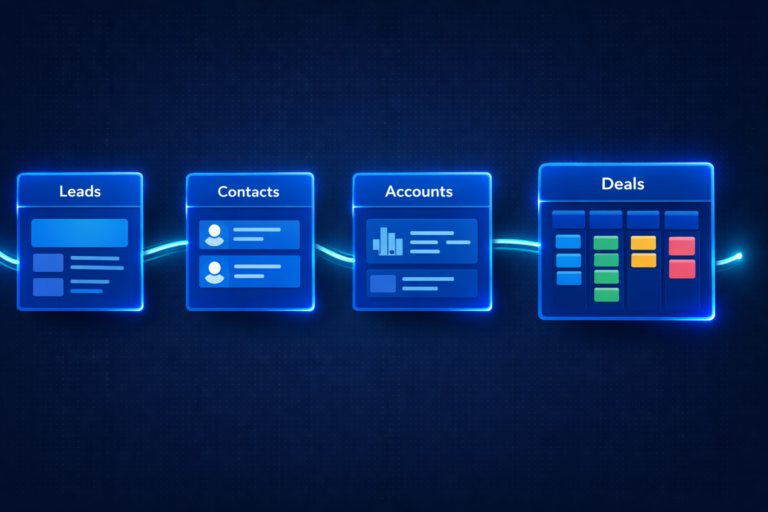
iCIMS integrates seamlessly with leading HRIS/HCM systems (Workday, SAP, Oracle, ADP, etc.) so that you can use iCIMS for recruiting while still syncing new-hire data, requisitions, and employee info with your system of record. Many organizations take this hybrid approach: iCIMS acts as the specialized recruiting hub, then automatically passes hired candidate info into the master HR system. For example, NorthStar Anesthesia – a healthcare company – made iCIMS its recruiting platform and connected it to Workday HCM. This allowed them to enjoy iCIMS’s advanced recruiting features while ensuring that once a candidate was hired, all the data flowed into Workday for onboarding and payroll. The integration even improved data quality; NorthStar’s HR team noted that when they had recruited solely in Workday, the new-hire data coming into HR was “less than stellar,” but with iCIMS as the frontend, the information captured during recruiting was more complete and accurate for HR’s needs.
Beyond core HR system integration, iCIMS offers a Marketplace of 300+ pre-built integrations with all kinds of recruiting technologies. Need to plug in a background check provider? An assessment or video interview tool? A recruitment marketing chatbot? Chances are, iCIMS already has a connector or certified partner for it. This “plug-and-play” ecosystem means a TA team can choose the best vendors for various tasks and snap them into the ATS with minimal fuss. It future-proofs your stack – if a new innovative sourcing tool comes along, you can likely integrate it with iCIMS rather than being stuck with whatever your suite vendor provides.
All-in-one suites typically have a much more limited ecosystem for recruiting-specific tools. They might integrate deeply with their own modules (like their internal onboarding or performance systems), but connecting external recruitment tech often requires custom APIs or middleware. For instance, if you wanted to use a cutting-edge AI sourcing tool with a suite’s ATS, you might have to build a custom integration from scratch. In contrast, iCIMS might already have a partnership or an open API endpoint ready for that connection.
Another perspective: while an HCM suite touts “no integration needed” for internal data (since recruiting and HR are in one database), in practice most companies using suite-based ATS still end up managing integrations – only instead of integrating ATS to HR, they are integrating missing functionalities. Whether it’s embedding a scheduling app or exporting data to a niche analytics tool, the need to extend the suite is common. So either route involves integration; the question is whether your core recruiting engine is powerful enough that those extensions are optional or mandatory. With iCIMS, the core system covers so much of TA’s needs that integrations become a way to enhance, not to compensate for deficits.
In summary, iCIMS gives you the best of both worlds: you maintain data continuity with your HR systems through integration, but you also gain the freedom to build an optimal recruiting tech stack around the ATS. The result is a more flexible, future-ready operation. As one TA leader put it, “We chose a – really, the – best-of-breed recruiting platform to maximize quality and functionality of the experience and minimize wasted motion for all users – recruiters, candidates, and hiring managers.” In other words, by integrating iCIMS into the broader HR ecosystem, they eliminated a lot of inefficiencies without sacrificing data flow or oversight.
Depth of Talent Acquisition Functionality
Perhaps the biggest advantage of a dedicated recruiting solution is the sheer breadth and depth of functionality it offers for talent acquisition. Recruiting today isn’t just about tracking applicants through an interview – it’s about proactive talent engagement, marketing open roles, coordinating complex processes, and more. Here’s where iCIMS really distances itself from generic suites:
- Robust Candidate Sourcing and CRM: iCIMS comes with built-in Candidate Relationship Management (CRM) capabilities that suites like Workday simply don’t have natively. With iCIMS, recruiters can build talent pools and nurture passive candidates over time with targeted email campaigns or text messages. For example, you might have a silver-medalist candidate from last year whom you keep warm in a pipeline for future openings – iCIMS makes that doable out-of-the-box. It supports talent communities, events, referrals, and all kinds of sourcing integrations (LinkedIn, job boards, etc.). In contrast, all-in-one systems usually focus on active applicants only; they lack a true CRM module for recruitment. Companies relying on those often have to buy a separate CRM tool or live without those capabilities altogether. This gap is critical: in a tight labor market, engaging passive talent and building pipelines is a game-changer, and it’s an area where iCIMS excels by design.
- Recruitment Marketing and Employer Branding: First impressions matter to candidates. iCIMS provides tools to create branded career sites, manage job postings to dozens of boards in one click, run targeted recruitment marketing campaigns, even host virtual career fairs. For instance, iCIMS customers can use the platform to automatically distribute a new job posting to major job boards and niche sites simultaneously, and track which sources yield the best hires. Some HCM suites offer a separate “recruiting marketing” add-on (SAP has one, for example), but it’s often an extra module that might not be fully integrated. Others, like Workday, have relatively basic job posting and don’t include things like robust career site management or events. This means with a suite you might struggle to attract candidates at the top of the funnel, whereas iCIMS provides those tools natively. In fact, it’s fair to say iCIMS functions as a marketing platform for talent acquisition in addition to an ATS.
- Automated Interview Scheduling and Workflows: Anyone who’s recruited at scale knows the pain of back-and-forth scheduling. iCIMS addresses this with integrated interview scheduling tools – recruiters can sync calendars, send self-scheduling links to candidates, automate reminders, and coordinate complex interview panels all within the system. It can even integrate with Outlook/Office 365 or Gmail to check availabilities. Without a specialized tool, scheduling becomes manual work. Workday’s recruiting, for example, has very minimal scheduling assistance; many Workday users have had to bring in third-party scheduling apps or AI assistants to fill the gap. iCIMS spares TA teams from that extra tool in many cases, since scheduling and even basic chatbot capabilities are built in. The platform also supports workflow automations (e.g. automatically advancing a candidate to a background check stage when they’re marked as “offer accepted”) that reduce a lot of repetitive recruiter tasks.
- Offer Management and Onboarding Integration: iCIMS includes an offer management module (with e-signature support) and even onboarding capabilities. This means recruiters can generate offer letters from templates, send them for electronic signature, and upon acceptance, seamlessly transition the candidate into onboarding steps. If you’re using an HCM suite, you might have an advantage that the core HR system handles onboarding – but the question is, how smooth is the handoff from recruiting to onboarding in practice? With iCIMS, since the company also offers an onboarding module, many choose to handle that in iCIMS and then just send finalized data to the HRIS. If you prefer to use your suite’s onboarding, iCIMS will integrate and send the necessary data over without issue. The key point is, with iCIMS you’re not losing functionality – you can still cover that post-offer stage either within iCIMS or via integration, whatever suits your process.
- Compliance and Security Features: Because iCIMS has a long history serving large employers (including government contractors, healthcare systems, etc.), it has a lot of recruiting-specific compliance features ready out-of-the-box. For example, you can capture EEO/OFCCP data and generate required reports (like EEO-1, VETS-4212) with a click. The system can enforce that recruiters select disposition reasons for each rejected candidate (to remain audit-compliant), automatically purge or anonymize candidate data to meet GDPR or other privacy laws, and ensure accessibility standards on your career site. A generalist platform can certainly be configured to be compliant, but it may not have these convenient features pre-built – meaning someone has to custom-build reports or processes to achieve the same outcome. iCIMS’ depth in this area removes a burden from TA and HR compliance teams. As an example, if your organization has to abide by strict hiring regulations, a tool like iCIMS will already speak your language (offering things like built-in credential tracking for healthcare licenses, etc.), whereas a broad HR suite might need significant tweaking to get there.
In short, iCIMS delivers a comprehensive toolkit for recruiting that covers the entire talent acquisition lifecycle: attract -> engage -> select -> hire -> onboard. Suites that “do it all” often have noticeable gaps in that chain when it comes to the attract and engage pieces. As a TA leader, having those capabilities under one roof (one that is laser-focused on recruiting) means your team isn’t piecing together disparate solutions or working around feature shortfalls. It empowers you to execute modern recruiting strategies – whether that’s a text campaign to re-engage past applicants or a data-driven sourcing initiative – without waiting on IT or a vendor’s development roadmap.
Recruiter Workflow and User Experience
Even the most powerful features won’t get used if the system is clunky or unintuitive. Another area where best-of-breed recruiting platforms shine is user experience tailored to recruiters and hiring teams. iCIMS was built with day-to-day recruiting workflows in mind, and that shows in how recruiters can use the system:
- Intuitive, Recruiter-Centric Design: Recruiters typically live in the ATS all day, juggling dozens of candidates and jobs. iCIMS provides an interface where recruiters can easily see their requisitions and candidate pipelines at a glance, drag-and-drop candidates through stages, and perform batch actions (like send emails or advance statuses for multiple candidates). The dashboards and lists in iCIMS are configurable, so a recruiter can set up views that show their key metrics or tasks. This might sound simple, but it matters for productivity. Many users report that general HCM systems require more clicks and page navigation to accomplish what an ATS like iCIMS does in one or two screens. For example, in Workday Recruiting a recruiter might need to navigate through multiple menus to find all their active candidates and then filter by job, whereas iCIMS can present a tailored dashboard with all that context immediately. These small efficiency gains add up significantly when you’re dealing with high volumes of candidates.
- Fewer Missed Steps and Manual Work: Because iCIMS is recruiter-focused, it often includes little conveniences that prevent things from slipping through the cracks. Automated reminders and task lists prompt recruiters for actions (e.g. “Follow up with Candidate X for interview scheduling” or “Requisition needs approval”). It also allows easy collaboration – recruiters can at-tag hiring managers in notes, or send evaluation forms directly through the system. All-in-one suites might not offer such recruitment-specific workflow aids, or they bury them in a generic task system. The result is that recruiters on a best-of-breed platform tend to rely on the system as the single source of truth and action, rather than reverting to spreadsheets or manual tracking on the side. That boosts data accuracy and saves time.
- Hiring Manager and Team Collaboration: A common argument for the single-suite approach is “our hiring managers won’t want to use two systems.” It’s a fair concern – managers are busy and might resist logging into a separate ATS if they already use, say, Workday for other HR tasks. iCIMS addresses this by making the hiring manager experience as lightweight as possible. Managers can get email notifications with one-click links to review candidates or provide feedback without needing to learn the whole system. And if deeper involvement is needed, iCIMS offers a simple hiring manager portal/interface focused only on what they need (view candidates for their role, submit interview feedback, approve offers, etc.). This specialization actually helps hiring managers: instead of navigating a complex enterprise HR system, they see a streamlined view tailored to hiring. Many organizations find managers adapt quickly when the process is clear and the UI is straightforward. Furthermore, single sign-on can be enabled between iCIMS and the core HR system, so that managers (and recruiters) don’t have to juggle multiple passwords or logins. In practice, the integration can be set up such that from the HR system’s homepage, a manager clicking “Recruiting” can be taken into iCIMS seamlessly. So the worry about “two systems” is largely solvable with today’s tech.
- Productivity and Morale: It’s worth noting the impact on the recruiting team’s morale and output when they have a purpose-built tool versus a subpar module. In the case of NorthStar Anesthesia mentioned earlier, their recruiting team actually started enjoying the process a lot more once they switched to iCIMS from Workday. One team member said, “With iCIMS, fills per month have increased by 50%. Honestly, we’re having a lot of fun with it.” That kind of statement underscores how a well-designed system can energize a team. When recruiters aren’t fighting the tool, they can focus on the human aspect of recruiting – building relationships with candidates and hiring managers. Conversely, when the software is a frustration (as some legacy ATS or underpowered modules can be), it can sap the team’s energy and lead to workarounds that reduce consistency.
Overall, a specialized ATS empowers recruiters and coordinators to do their jobs efficiently. Every click saved or manual step eliminated means more time to strategize on tough fills or engage with top candidates. For TA leaders, that translates to better performance against hiring targets. Meanwhile, the recruiters and hiring managers are happier and more likely to fully adopt the system, which in turn yields better data and outcomes. It’s a virtuous cycle that starts with having the right tool for the job.
Candidate Experience: First Impressions Count
While internal users are crucial, we can’t forget the “other side” of the equation – the candidates. Candidate experience has become a make-or-break factor in talent acquisition. A clunky application process or poor communication can turn great candidates away and even damage your employer brand. Here, the contrast between iCIMS and many all-in-one HR suites is stark.
iCIMS prioritizes the candidate experience at every touchpoint:
- Easy, Mobile-Friendly Application Process: iCIMS-powered career sites and application forms are designed to be intuitive and mobile-responsive. Candidates can search jobs easily, apply with a streamlined form, autofill with their LinkedIn profile or resume parse, and crucially, they don’t hit unnecessary roadblocks. For instance, iCIMS allows flexible application workflows – you can decide which questions to ask upfront versus later in the process, minimizing the initial time investment for candidates. The platform also supports features like SMS apply links and quick account-less applications (so candidates aren’t forced to create a login just to submit a resume, if you choose to enable easy apply). These details significantly reduce candidate drop-off. In contrast, many suite-based ATS implementations have been notorious for long, cumbersome application experiences. Think of the times you’ve applied on a company’s site and been redirected to an oddly formatted form where you must create an account, re-enter information already on your resume, and click through many pages – that’s often a byproduct of an HCM’s recruiting module. It’s no surprise that some organizations see 50% or higher drop-off rates on mobile applicants when using those older styles of application processes. With a modern ATS like iCIMS, candidates can typically complete an application on their phone in a few minutes, which dramatically improves completion rates and candidate satisfaction.
- Candidate Communication and Engagement: iCIMS comes with built-in tools to keep candidates engaged throughout the process. Automated confirmation emails, status updates, and even texting workflows ensure that applicants aren’t left in the dark. For example, if a candidate moves to an interview stage, iCIMS can automatically send them a personalized message with preparation tips or a video about company culture. Some of these capabilities can be enhanced with AI or chatbots (which iCIMS offers as add-ons in its Marketplace). The key point is that the system is geared towards treating candidates like valued customers – nurturing them with information and responsive communication. All-in-one suites, if they lack a recruiting CRM or robust communication features, may provide only basic email triggers. They often don’t have texting integrated at all. This can lead to a more transactional experience where candidates feel like they’re submitting info into a black hole. TA teams end up compensating by sending manual emails or using separate email marketing tools for candidates – which is extra work and can lead to inconsistent messaging. With iCIMS, much of that can be configured once and then happens automatically for every candidate, ensuring a consistently positive experience.
- Employer Brand and Personalization: Because iCIMS allows extensive branding of the career site and communications, candidates get a cohesive impression of the company. You can design the application pages to look and feel like your corporate website, include videos or employee testimonials (iCIMS even has a feature for managing video testimonials to embed in your career site), and tailor content to different audiences (e.g. a landing page for campus recruits vs. veterans). These might sound like marketing touches, but they have a real impact on candidate conversion and perception. A generic HR portal can’t easily provide that level of personalization. As a result, companies using specialized TA platforms often find they can better convey their employer brand and differentiate themselves to candidates. And in competitive hiring, that differentiation can be the deciding factor for a candidate choosing your offer over another.
- Speed and Convenience for Candidates: Little things like letting candidates self-schedule their interview from a set of available slots, or complete forms electronically rather than via printed PDFs, contribute to a smoother journey. iCIMS, with its scheduling and onboarding tools, offers those conveniences. A candidate can, for example, get a text prompting them to select an interview time on their phone – a process that takes maybe 30 seconds – versus an older approach of phone tag or lengthy email threads. When candidates see that a company’s hiring process is modern and painless, it reflects well on the company as a whole. It signals that you value their time and have your act together, which can increase their eagerness to join. On the flip side, a clunky system might make top candidates question whether the company is technologically backward or bureaucratic.
In essence, a platform like iCIMS enables a candidate-centric approach, whereas many unified systems are more process-centric. TA leaders increasingly recognize that providing a great candidate experience isn’t just “nice to have” – it improves offer acceptance rates and even downstream retention (because new hires start with a positive impression). By leveraging the capabilities of a best-of-breed ATS, you give your organization a better chance to win talent in a competitive market, simply by not shooting yourself in the foot with an outdated candidate experience.
Analytics and Reporting for Talent Insights
Talent acquisition has become a data-driven function. TA leaders are expected to know exactly where candidates are coming from, how efficient the hiring process is, where bottlenecks occur, and how hiring aligns with diversity goals and business outcomes. Having robust analytics and reporting is non-negotiable. This is another area where iCIMS tends to outperform all-in-one systems from a TA perspective.
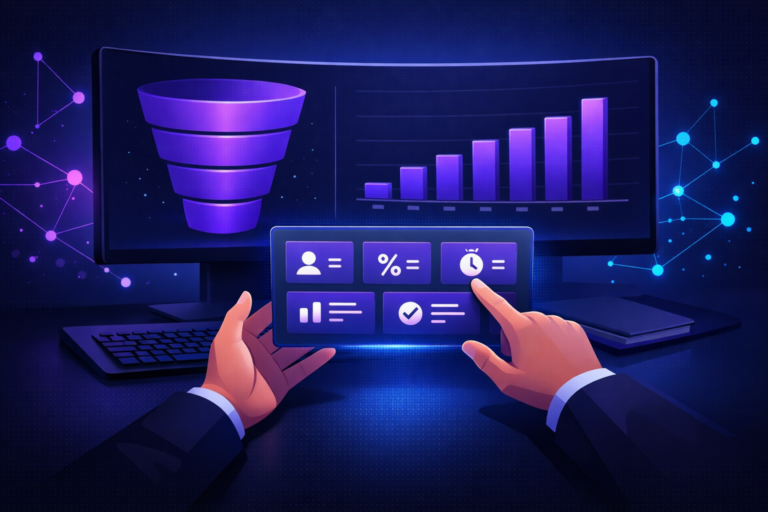
Out-of-the-Box Recruiting Analytics: iCIMS provides a rich set of standard reports and dashboards geared specifically toward recruiting KPIs. From day one, TA teams can track metrics like time-to-fill, time-to-hire, applicant conversion rates at each funnel stage, cost-per-hire, source of hire effectiveness, offer acceptance rates, and more. Many of these reports are configurable or can be filtered by department, location, recruiter, etc., to get granular insights. Importantly, iCIMS’s reporting interface is designed for end users. A savvy recruiting operations manager or even a recruiter with the right permissions can create or modify reports using a drag-and-drop report builder. This means TA teams don’t have to wait on a data analyst or IT to get the numbers they need. Want to quickly see how your diversity hiring is trending this quarter? Or which job board yielded the most hires in a certain region? In iCIMS, those answers are a few clicks away.
In contrast, the reporting capabilities in some HCM suites often require more effort to extract recruiting-specific insights. Workday, for example, has a powerful report writer, but it’s generic across all modules. Creating a custom recruiting funnel report might require a Workday report specialist to set up. Additionally, some advanced analytics in suites might come only with premium add-ons (Workday has a Prism Analytics and People Analytics module sold separately, which not every customer has for recruiting data). The net effect is that TA leaders on a unified suite can feel “data blind” unless they invest a lot of time and resources into building out reports.
Real-Time Dashboards and Visibility: iCIMS Talent Cloud includes real-time dashboard views where an executive or TA lead can see key stats at a glance – for instance, current open requisitions, candidates in process, hires month-to-date versus goal, etc. This kind of live metrics cockpit is incredibly useful for making on-the-fly decisions and adjusting tactics. Unified systems that aren’t recruiting-focused might not offer a TA-specific dashboard without customization. Often, TA leaders relying on those will export data to Excel or BI tools to create their own dashboards, which is labor-intensive and means data isn’t up-to-the-minute. With iCIMS, because recruiting is the core mission, those needs are anticipated and built into the product experience.
Story of Proving Value: The importance of good reporting isn’t just internal optimization; it’s also how TA proves its value to the broader organization. The NorthStar Anesthesia case provides a great example. Before switching to iCIMS, the TA team there struggled to produce even basic pipeline and hiring reports out of their previous all-in-one system (Workday). The data existed, but extracting it in a meaningful way was difficult, which meant they couldn’t easily demonstrate how many candidates were in process or how quickly positions were being filled. After implementing iCIMS, they gained the ability to generate timely, detailed reports on demand – showing, for instance, how many candidates were contacted for a specific job and how that translated into hires. As their TA leader noted, “we are able to produce more timely position-filled reports and pipeline status reports… which we were previously unable to access in Workday.” This new level of insight allowed the TA team to educate other stakeholders with data and be more strategic. In fact, after seeing these reports, NorthStar’s operations team and even executives started recognizing the TA team’s contribution more explicitly (the recruiting team went from being somewhat invisible to being lauded at board meetings for their results). That is the power of good analytics – it not only guides better decisions but also elevates the status of TA within the company by backing up successes with credible data.
Compliance Reporting: We touched on compliance features earlier, but from a reporting standpoint it’s worth noting that iCIMS can crank out things like an OFCCP applicant flow log or a diversity hiring analysis with relative ease. These are not trivial reports – they often require collating data on every candidate at every stage, which a generic system might not capture cleanly. TA leaders in regulated industries appreciate that a specialized ATS has thought of these needs. It reduces the risk of an audit issue or the need for painful data reconstruction later.
In summary, analytics is an area you don’t want to compromise on. A best-of-breed platform like iCIMS equips TA leaders with real-time visibility and rich insights, essentially turning data into a strategic asset. Unified suites may have all HR data in one place, which is a theoretical analytics advantage, but if the recruiting portion isn’t easily reportable, that theoretical benefit doesn’t help your TA day-to-day. Many organizations actually export recruiting data from suites into separate analytics tools or spreadsheets, which tells you something – the in-platform experience wasn’t sufficient. With iCIMS, much less of that extra work is needed, since it’s built to be a one-stop shop for recruiting intelligence.
Unified Suites vs. Specialized Platforms: Weighing the Pros and Cons
It’s clear by now that specialized talent acquisition systems bring a lot of advantages for recruiting teams. But it’s important to fairly consider both sides of the equation – what do unified HR suites offer, and what are the trade-offs of going best-of-breed? Every organization’s situation is unique, so TA leaders should weigh these factors based on their priorities:
Advantages of Unified HR Suites (All-in-One Systems):
- Single Vendor & Simplified IT Landscape: There’s appeal in dealing with one software vendor for all your HR needs. Procurement and vendor management can be simpler with a single contract covering core HR, recruiting, etc. Your IT team might also prefer having fewer systems to integrate overall.
- Unified Data Model: In a full-suite scenario, all employee and candidate data resides in one database. This can make some cross-functional reporting easier (e.g. analyzing hiring alongside retention data) and ensures everyone (HR, payroll, TA, etc.) is looking at the same master records.
- Built-in Internal Mobility: As mentioned, for internal candidates and job posting, a suite has inherent advantages. Your employees likely already have profiles in the system, so applying internally is relatively seamless, and HR can see their movements in one place. Suite recruiting modules often shine for internal hiring because they tie into talent management data (performance reviews, etc. can be visible when considering an internal applicant).
- Consistent User Experience (in Theory): The idea is that employees, managers, and HR folks have one interface to learn and use for everything from time-off requests to job req approvals. There’s no doubt some efficiency in having that consistency – training users on one system and maintaining one portal.
However, the drawbacks of unified systems for recruiting become apparent given everything we’ve discussed:
- Limited Recruiting Depth: The recruiting module of a suite often lags behind industry-leading ATS functionality. Innovation in those modules can be slower because the vendor’s attention is split across the whole suite. If a new trend emerges in talent acquisition (say, AI-driven candidate matching or advanced recruitment marketing techniques), a specialized vendor like iCIMS is likely to deliver it faster than a generalist provider. This means suite users might always feel a step behind in recruiting tech.
- Hidden “All-in-One” Gaps: As we saw, all-in-one rarely means all inclusive. You might still end up with a fragmented stack. The difference is whether your core ATS is strong (and you only add optional enhancements) or if your core is weak (and you’re forced to add essentials that are missing). Many organizations have learned that “free” recruiting modules bundled in an HCM suite can cost more in the long run – either in manual work or in purchasing add-ons to compensate. The total cost of ownership, when you factor in the extra tools and the heavier implementation effort, can actually be higher than using a best-of-breed ATS that hits the ground running.
- Longer Implementations and Change Management: Replacing a recruiting system inside a whole HCM implementation is a major project. Suites like SAP or Oracle might take many months (or over a year) to fully deploy their recruiting module, especially if it’s done alongside a larger HRIS overhaul. In contrast, implementing iCIMS alone is typically quicker, since it’s focused and the vendor has a lot of experience with recruiting-specific deployments. Also, moving from a legacy ATS to an HCM suite can be a bigger change management lift for recruiters: they have to adapt not just to new recruiting software, but often to new processes that fit the suite’s way of working. Best-of-breed vendors often provide more hands-on support and expertise in talent acquisition during onboarding (because that’s their whole business), whereas with a big suite, your project might be one part of a massive implementation where niche recruiting nuances could get less attention.
- Maintaining Integration vs. Maintaining Functionality: If you go best-of-breed, yes, you invest in integrating that ATS with your other systems. But once it’s set up, the day-to-day maintenance is relatively low (especially with modern API integrations and vendor support). If you go all-in-one and find it lacking, you’ll be in a constant mode of “maintaining” workarounds – essentially trying to make the suite do what a specialized ATS would have done out-of-the-box. That might mean continuous customizations, or manual data extracts to satisfy stakeholders, etc. It can be a drain on the TA ops team. So either you spend resources on integration upfront (with best-of-breed) or you risk spending resources continually on customizing/fixing a suboptimal recruiting module.
The Best-of-Breed Approach: For many TA leaders, the scales tip in favor of a specialized platform like iCIMS because hiring is simply too critical to compromise. Talent acquisition is the lifeblood of growth and innovation in an organization – getting the right people in the door efficiently has a massive impact on business success. Therefore, giving your TA team the best tools for that job is an investment that pays off. If that means managing one additional system and integration, the payoff is greater recruiter productivity, better candidate quality/experience, and data that can inform strategic decisions.
It’s also worth noting that the landscape is shifting. We’ve seen an increasing number of mid-size and enterprise companies adopt a hybrid approach: they might use Workday or SAP as their core HR system, but they intentionally opt for a top-tier recruiting platform (like iCIMS) and link them together. This way, they don’t sacrifice TA effectiveness at the altar of suite uniformity. It’s a recognition that recruiting has unique demands that justify a purpose-built solution. And vendors like iCIMS have mature integration tools precisely to support this model.
In summation, unified suites bring some convenience and data unity, but often at the cost of recruiting excellence. Best-of-breed brings recruiting excellence, with a manageable amount of integration work to achieve unity. Each organization must decide which trade-off they can live with. For talent-centric organizations, the choice often leans toward empowering the TA function with the strongest toolset available.
Real-World Example: NorthStar Anesthesia’s Results with iCIMS
Throughout this discussion, we’ve referenced NorthStar Anesthesia as a case study, so let’s briefly recap their story as a concrete illustration of best-of-breed benefits:
NorthStar is a healthcare company that originally managed recruiting within their Workday HCM system. They found that the Workday recruiting module was limiting their team’s effectiveness – reports were hard to get, manual work was common, and recruiters weren’t able to provide the personalized touch candidates in their niche required. In 2017, NorthStar decided to implement iCIMS as their dedicated ATS, while keeping Workday as the core HR system.
The impact was striking:
- 50% increase in hires per month: With iCIMS streamlining their recruiter workflows and automating many steps, NorthStar’s team was able to fill significantly more positions each month than they could before. Efficiency gains (like faster scheduling and easier candidate pipeline tracking) translated directly into more hires.
- Improved data and reporting: The TA team could now generate on-demand pipeline reports and hiring metrics that simply weren’t accessible in the old system. For example, they could show exactly how many candidates were contacted and how that funneled down to a single hire, demonstrating the volume of work and the conversion rates at each stage. This new visibility helped them earn credibility with the operations team – other executives could finally see the TA pipeline and understand the effort behind each filled role.
- Higher data quality into HRIS: Because iCIMS captured comprehensive candidate info and then integrated hires into Workday, the HR data for new employees was more accurate and complete. Previously, NorthStar’s HR team noticed that some data coming from recruiting was incomplete or had to be cleaned up; after the switch, those issues dropped dramatically. As one leader put it, “The quality of our new-hire data was less than stellar when recruiting solely in Workday… Now it does [meet our HR standards].”
- Better candidate experience and recruiter enjoyment: NorthStar’s recruiters could give their candidates a more high-touch, engaging experience (like more personal communication and tailored workflows for different clinician roles) while still leveraging automation for efficiency. The recruiters themselves found the new system enjoyable to use – a far cry from the frustration before. When a team says they’re “having a lot of fun” with a system and simultaneously their output has increased 50%, that’s a strong validation of the technology choice.
- Visibility and strategic impact: With iCIMS, the TA team’s achievements became highly visible. In fact, after one board meeting where results were presented, a company founder thanked the recruiting team for being the “highlight” of the meeting – a moment of recognition that was enabled by having the data and success to show off. Recruiting went from a behind-the-scenes process to a function driving strategic conversations, thanks in part to the new capabilities they had.
NorthStar’s story exemplifies how moving to a best-of-breed recruiting platform can transform outcomes. It’s not that Workday is a bad system – Workday is a very strong HR platform overall – but for this organization’s talent needs, a specialized approach unlocked far more value. And importantly, they didn’t lose the benefits of Workday; they still use it for HCM, payroll, etc., with iCIMS feeding it the necessary info. It became the proverbial “best of both worlds.” Many other companies have followed a similar path, whether switching from SuccessFactors, Oracle, or older systems, to a dedicated TA platform to gain an edge in hiring.
Conclusion: Empowering Talent Acquisition with the Right Tools
For talent acquisition leaders, the mandate is clear: deliver quality hires, faster, and build an outstanding candidate experience – all with leaner teams and budgets if possible. The technology you choose can either be a force multiplier or an impediment in meeting that mandate. All-in-one HR suites sell the vision of simplicity and integration, and those are attractive qualities. But as we’ve explored, when it comes to the nuanced, fast-moving world of recruiting, that vision often falls short in execution.
iCIMS and other best-of-breed talent acquisition systems offer a level of focus and functionality that “jack of all trades” systems struggle to match for hiring. They give TA teams the flexibility to tailor processes, the tools to engage candidates deeply, the automation to remove drudgery, and the analytics to continuously improve – all in service of finding and hiring the best talent. Rather than force-fitting recruiting into a general HR mold, they let it flourish as a specialized domain.
Of course, no solution is perfect. A specialized platform means you do have an extra system in your landscape and integration work to do. Success with any system also depends on how well you implement and adopt it. But the experiences of many organizations show that the benefits of a purpose-built recruiting platform far outweigh the drawbacks. When your recruiters rave that the system makes their job easier, when your candidates compliment the smooth process, and when your data can pinpoint exactly what’s working or not in your hiring strategy – those are real advantages that ultimately reflect in better business performance.
In deciding between an all-in-one suite and a dedicated TA platform like iCIMS, consider your priorities. If talent acquisition is a strategic driver for your company (and in today’s world, it likely is), it deserves technology that’s up to the task. A unified HR suite might check the box, but will it truly elevate your recruiting outcomes? If you suspect the answer is “probably not,” then investing in a best-of-breed solution isn’t a step backwards – it’s a step toward excellence in talent acquisition.
At the end of the day, TA leaders are accountable for hiring results, not for how “streamlined” their software stack is. Using a specialized recruiting platform is about equipping your team to meet their goals and adapt to the future, whether that future brings new recruitment marketing trends, AI-driven sourcing, or whatever else is on the horizon. The flexibility, integration, deep functionality, optimized workflows, superior candidate experience, and rich analytics that iCIMS delivers all serve one mission: helping your talent acquisition team win the talent they need. And that’s why, for many organizations, iCIMS decisively outperforms the all-in-one HR suites when it comes to what matters most – finding and hiring the right people to drive your business forward.
Powered by FlowFam
We’re the iCIMS experts behind the scenes of high-performing TA teams. From complex implementations to CRM strategy, workflow design to recruiter enablement, FlowFam brings clarity, speed, and real recruiting experience to every project.
Let’s make your iCIMS work the way it should.