If you’ve ever wished you could clone yourself just to handle the boring, repetitive parts of running your business, you’re not alone.
For many neurodivergent entrepreneurs, ADHD, autism, dyslexia, and beyond, the real challenge isn’t skill or motivation; it’s the relentless mental load of “don’t forget to…” tasks. Invoices to send, follow-up emails to write, events to copy into five calendars… It’s exhausting.
The good news?
Tools like Zapier can become your behind-the-scenes assistant, quietly moving information between apps, reminding you of the important stuff, and freeing up your mental bandwidth for the work you actually care about.
This isn’t a techie lecture. It’s a collection of real, zero-jargon stories from entrepreneurs who’ve used automation to reduce stress, save energy, and avoid those 3am. “oh no, I forgot!” moments.
Why Automation? Because Brain Bandwidth is Precious
If you live with ADHD, autism, or another neurodivergent wiring, you already know the struggle:
- Forgetting small but crucial steps in multi-stage processes
- Time blindness and missed appointments
- Mental fatigue from constant task-switching
- The dreaded “executive dysfunction” wall that makes starting things feel impossible
These aren’t character flaws,;they’re how some brains work. Automation doesn’t “fix” your brain; it builds a safety net around it.
Real-Life Zaps in Action
1. The Rube Goldberg Client Workflow (That Actually Works)
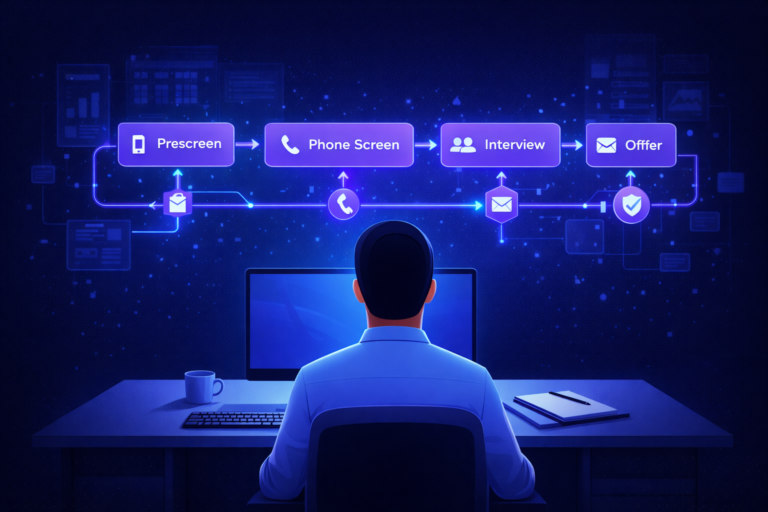
An ADHD business owner used to dread onboarding new clients, so many steps, so many opportunities to forget one. Now, when a new client email arrives, a Zap automatically:
- Creates a task in Asana
- Adds it to her personal to-do app
- Generates a Dropbox project folder
- Drafts an invoice in Wave
No more missed steps. No more last-minute folder hunts.
2. How an Autistic Analyst Stopped Missing Meetings
Peter, a data analyst, used to keep his calendar open all day, terrified he’d miss a meeting. The constant checking killed his focus. His Zap now syncs Google Calendar with Slack status—if he’s in a meeting, Slack says so. He can hyperfocus without anxiety, and colleagues know when he’s busy.
3. Gamifying the To-Do List
One ADHD blogger funnels tasks from Siri, Evernote, and email into Google Calendar, then into Habitica, a gamified task manager. If she skips a task, her Habitica party members “chew her out.” It’s accountability, fun, and memory support rolled into one.
4. Inbox Babysitter for Forgotten Emails
A small business owner with ADHD set up a Zap that nudges clients if they haven’t replied to her proposal in 5 days. Result? Fewer lost deals and less guilt about “dropping the ball.”
The Emotional Payoffs
It’s not just about saving time. The benefits are emotional and cognitive, too:
- Peace of mind – no more 3am panic over forgotten steps.
- Energy saved – fewer tiny tasks draining your “brain battery.”
- Confidence – follow-through you can rely on builds self-trust.
- Little dopamine hits – a Slack “done!” message or weekly “wins” email can feel surprisingly good.
As one user put it: “[My automation system] just makes my brain feel better.”
5 Starter Zaps (No Overwhelm, No Coding)
- Email → Task: Star an email, Zapier turns it into a to-do in Asana, Trello, or Todoist.
- Daily Agenda Ping: Get your top 3 tasks + meetings sent to Slack or email at 8am.
- Auto-Log Your Wins: When you close a deal or get kudos in Slack, Zapier logs it in Notion or a spreadsheet.
- Clock-Out Reminder: Schedule Zapier to set your Slack status to “offline” at quitting time.
- Weekly Reset Checklist: Every Friday, Zapier sends you a short list of wrap-up tasks.
When Automation Goes Wrong (And How to Make It Right)
Let’s be real: sometimes your clever Zap will blow up in your face. Common pitfalls:
- Doing too much too fast – start with 1–2 Zaps, not 12.
- Notification overload – bundle updates into a digest instead of 50 pings.
- Set-and-forget syndrome – check your Zapier dashboard weekly.
- Infinite loops – test with dummy data before going live.
- Over-reliance – keep a simple manual backup for critical tasks.
Building Your Supportive System
The best automations don’t replace you, they support you.
They’re the quiet, reliable sidekick that catches what your brain might miss, leaving you more time and energy for the work only you can do.
Start small. Follow your dopamine. Automate the tasks that make you groan, not the ones you secretly enjoy. And remember, it’s about making your life easier, not turning yourself into a robot.
💡 Challenge: This week, pick one annoying task and automate it with Zapier. Then let me know what you chose. I’d love to celebrate your win.
Because every fewer thing on your plate is a big win.
Need help with the tech?